
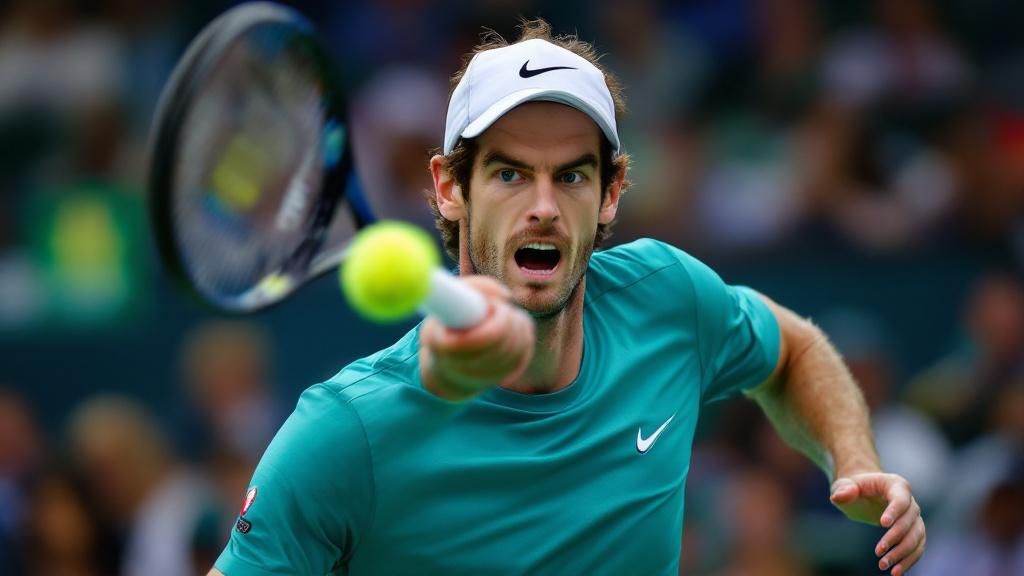
Andy Murray’s meticulously planned comeback to professional tennis has created ripples across the British athletics hierarchy, suggesting a possible resurgence for the nation’s most accomplished player. Following his serious hip operation, Murray’s strategic return to competition promises to reshape the state of British tennis, inspiring a younger cohort whilst reviving hopes of further Grand Slam glory. This article examines how his disciplined method to competitive play is influencing grassroots development, nurturing young players, and reinforcing Britain as a competitive powerhouse in international tennis.
The Comeback Champion
Andy Murray’s comeback to competitive tennis signifies considerably more than a singular success; it symbolises resilience and determination that echoes across British athletics. After facing a serious hip procedure that threatened his career, many doubted if the three-time Grand Slam champion would ever compete at the highest level again. His decision to stage a comeback, however, demonstrates an unwavering commitment to his game and an unconquerable determination that has shaped his competitive life. The global sports community follows with authentic fascination as Murray tackles this transformative period, demonstrating that neither age nor injury must dictate an athlete’s path or competitive ambitions.
The significance of Murray’s comeback plan reach much further than his personal results on court. His participation in professional tournaments revitalises British tennis, providing a tangible example of determination to junior competitors navigating their own challenges. Moreover, his return story provides invaluable lessons in emotional resilience and physical rehabilitation, establishing new standards for career longevity. As Murray competes once more, he simultaneously mentors the younger cohort, building a connection between proven success and rising prospects that strengthens the entire British tennis ecosystem.
Impact on British Tennis Development
Murray’s return to professional competition has catalysed substantial progress within the British tennis system. His presence at top-tier events boosts the sport’s profile domestically, attracting enhanced financial support in junior development initiatives and training facilities. The wider impact extend beyond professional ranks, encouraging community involvement and encouraging governing bodies to emphasise player discovery and nurturing pathways for up-and-coming British talent.
Coaching and Guidance
Beyond his courtside performances, Murray has assumed an increasingly prominent mentoring role within the British tennis community. His willingness to share expertise acquired through performing at the highest level offers essential support to emerging talent navigating their own career trajectories. This informal coaching influence enhances formal structures, delivering practical insights into competition readiness, mental resilience, and managing career demands.
Murray’s accessibility to emerging talent signals a break with traditional hierarchies within professional sport. By collaborating with promising young players, he shows dedication to the advancement of British tennis. His guidance stretches beyond technical instruction, covering career planning, sponsorship negotiations, and mental approaches essential for achieving enduring success on the international stage.
- Provides expert advice on event choice and scheduling
- Shares psychological strength methods built over career
- Facilitates connections to training and support staff networks
- Demonstrates workplace excellence through consistent work ethic
- Encourages balanced approach between ambition and personal wellbeing
Performance Comparison and Rankings
Murray’s re-entry into competitive tennis has exhibited considerable mental strength, with his results data revealing a competitor intent on regaining his position amongst tennis’s elite. Despite the constant physical pressures of elite-level play, his competitive standing has gradually climbed, showcasing his tactical expertise and emotional strength. His successes against recognised opponents have sparked renewed debate about his ability to compete for Grand Slam honours, whilst also delivering valuable data on his recovery progress and tournament fitness.
The strategic approach of Murray’s event choices has proven instrumental in managing his recovery whilst maintaining competitive edge. By carefully balancing elite-level events with sufficient rest intervals, he has enhanced his performance trajectory without compromising lasting viability. His achievements have galvanised UK tennis fans and commentators alike, proving that prior injuries and advancing years need not diminish a competitor’s drive or accomplishments at the highest echelons of professional sport.
Future Prospects and Legacy
Andy Murray’s deliberate re-entry to competitive tennis has fundamentally altered views on what constitutes a thriving career in tennis. His careful strategy illustrates that extended careers and focused competition can coexist physical limitations, providing important insights to aspiring athletes globally. The wider consequences of his return go further than private accomplishment; Murray’s involvement in professional tennis energises UK tennis development, attracting investment and media attention previously directed elsewhere. His impact on emerging talent demonstrates how experience and resilience transcend standard career patterns, creating fresh standards for athletic perseverance.
Looking forward, Murray’s legacy will undoubtedly encompass more than tournament victories and ranking positions. His dedication to developing rising British players has established a enduring framework for the future generation of competitors aiming for international success. By combining competitive drive with coaching duties, Murray has positioned himself as both competing player and custodian of British tennis’s future. This dual role bolsters the nation’s competitive infrastructure whilst ensuring his substantial knowledge benefits the sport well beyond his final competitive involvement, cementing his status as transformative figure within British sporting history.
